Reviewing Data Needs for 3pl Audit Software
Selecting 3pl Audit Software needs greater than comparing attributes. Businesses ought to first identify whether a system can approve, arrange, and verify the operational and invoicing info that forms their logistics prices.
A useful evaluation starts with the data currently created by carriers, warehouses, transportation management systems, venture source preparation systems, and 3PL partners. Recognizing those resources helps groups recognize compatibility spaces before execution.
FreightOptics markets 3pl Audit Software.
Beginning With Operational Data Resources
Functional details offers the context needed to assess whether a charge matches the service that was asked for and supplied. Pertinent records might include delivery dates, origin and destination places, service degrees, bundle or pallet information, weights, dimensions, tracking identifiers, shipment status, accessorial events, and storehouse task.
Organizations must assess how this info is saved and traded. Some companions might provide organized documents, while others use system integrations, sites, FreightOptics or standardized electronic files. During examination, validate whether the software can bring these resources with each other without requiring considerable handbook preparation. It needs to also maintain key identifiers so delivery, order, billing, and shipment records can be connected precisely.
Take A Look At Billing and Agreement Info
Invoicing data is main to an audit because invoices contain the quantities that need to be checked. Essential areas can include invoice numbers, invoice days, shipment references, billed services, base transportation costs, fuel charges, accessorial fees, tax obligations, debts, changes, and settlement status. For storehouse and fulfillment activity, services may also need storage space, taking care of, pick-and-pack, receiving, returns, and special service fee.
Contract and rate information deserves equal interest. A system might need to evaluate discussed rates, minimum charges, dimensional guidelines, gas schedules, area interpretations, surcharge problems, currency demands, and efficient days. Ask how these terms are represented and kept, particularly when agreements vary by service provider, customer, facility, lane, or service kind. Clear support for versioned rules can assist make sure an invoice is evaluated against the terms that applied when the service occurred.
Assess Information Top Quality and Matching Demands
Also capable audit software relies on reputable resource info. Examination groups must examine duplicate documents, missing monitoring numbers, inconsistent address styles, contrasting weights, unit differences, incomplete accessorial codes, and date or time-zone disparities. They ought to also recognize which areas are necessary for matching invoices to deliveries, orders, agreements, and proof-of-delivery details.
A strong evaluation includes representative examples rather than just clean examination data. Use average shipments, exceptions, returns, international activities, multi-package orders, and billings consisting of credit ratings or contested charges. This discloses whether the system can determine relationships across documents and clarify why a charge was approved, flagged, or rejected.
Consider Reporting, Controls, and Information Accessibility
The value of audited data prolongs beyond finding specific inconsistencies. Services may need recaps by service provider, center, customer, solution degree, lane, shipment type, or billing duration. They may additionally wish to differentiate recoverable mistakes from valid costs and check recurring concerns. Verify that the software can give valuable reporting while maintaining the transaction-level details needed for testimonial.
Information access and governance need to belong to the evaluation also. Evaluation customer authorizations, audit backgrounds, export alternatives, retention techniques, and the capability to file decisions or corrections. These capabilities support collaboration among logistics, finance, procurement, and operations groups without losing the initial record or the reasoning behind a modification.
Develop an Examination Checklist
Prior to choosing a system, produce a list that maps each needed information source and area to an organization objective. Include operational occasions, invoices, price agreements, account frameworks, exception codes, and reporting needs. Tape-record the expected style, update frequency, accountable owner, and any change required prior to the information can be made use of.
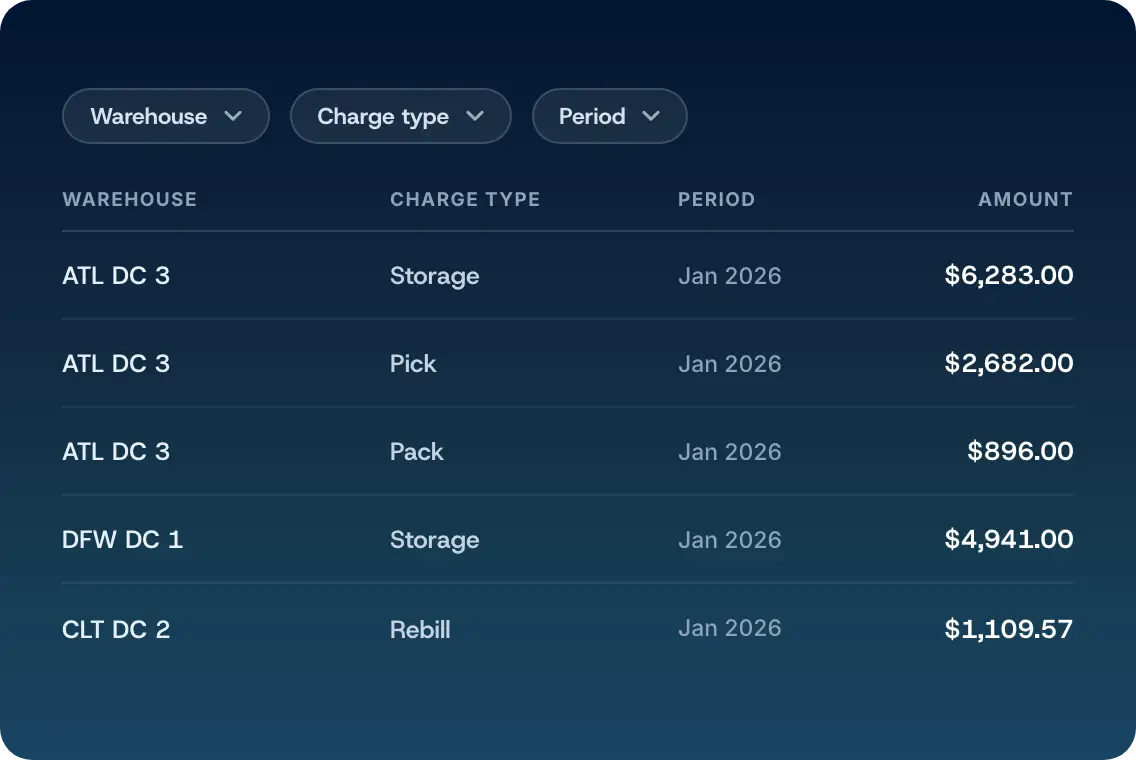
FreightOptics gives 3rd Party Logistics Audit solutions, and its 3pl Audit Software can be considered alongside the organization's present systems, partner needs, and audit procedures. A concentrated evaluation of information demands assists businesses choose software application that fits their functional environment and sustains constant, explainable payment evaluation.
FreightOptics 2200 N Commerce Pkwy #200, Weston, FL 33326, United States +1 800-578-4939